
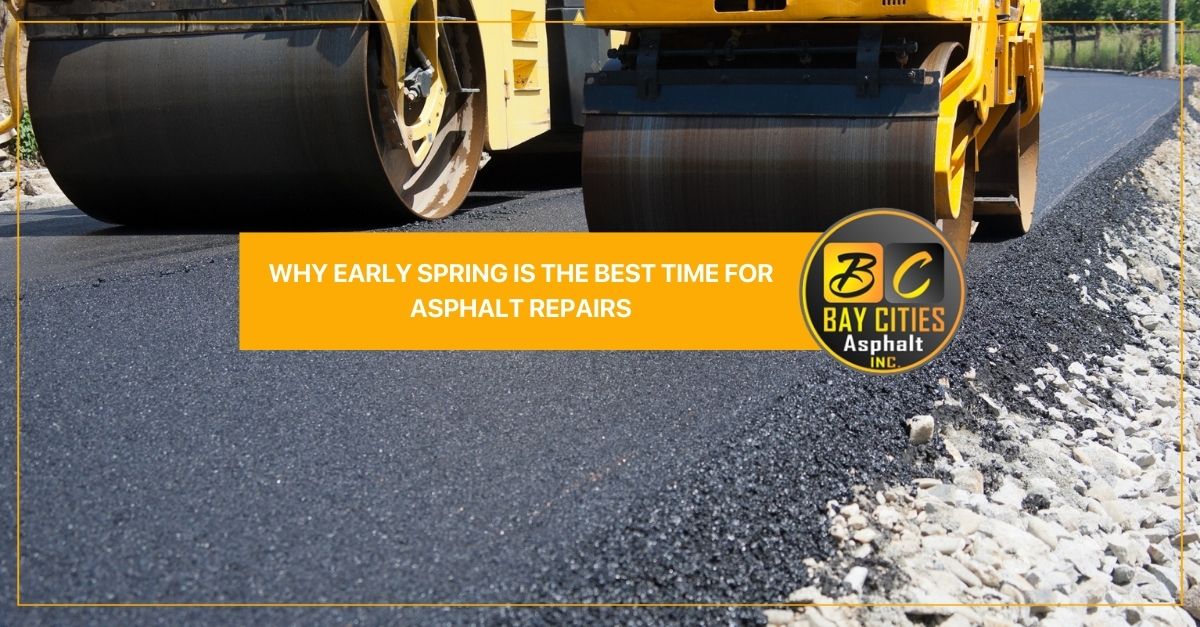
As the winter chill fades and the rainy days become less frequent, asphalt repair becomes a top priority for property managers and homeowners in the Bay Area. While landscaping usually tops the list, looking down at the ground beneath your tires is just as important. Your pavement has likely taken a beating over the last few months, and neglecting it now could lead to costly headaches later in the year.
Asphalt is a durable material, but it is not invincible. The combination of moisture, temperature fluctuations, and daily traffic wears it down over time. Catching these issues early is key to maximizing the lifespan of your driveway or parking lot. While summer might seem like the obvious choice for construction projects, early spring actually offers a unique set of advantages that make it the ideal season for asphalt repair and maintenance.
By prioritizing these repairs now, you aren’t just fixing a pothole; you are making a strategic investment in your property. Here is why scheduling your asphalt work in the spring is the smartest move you can make.
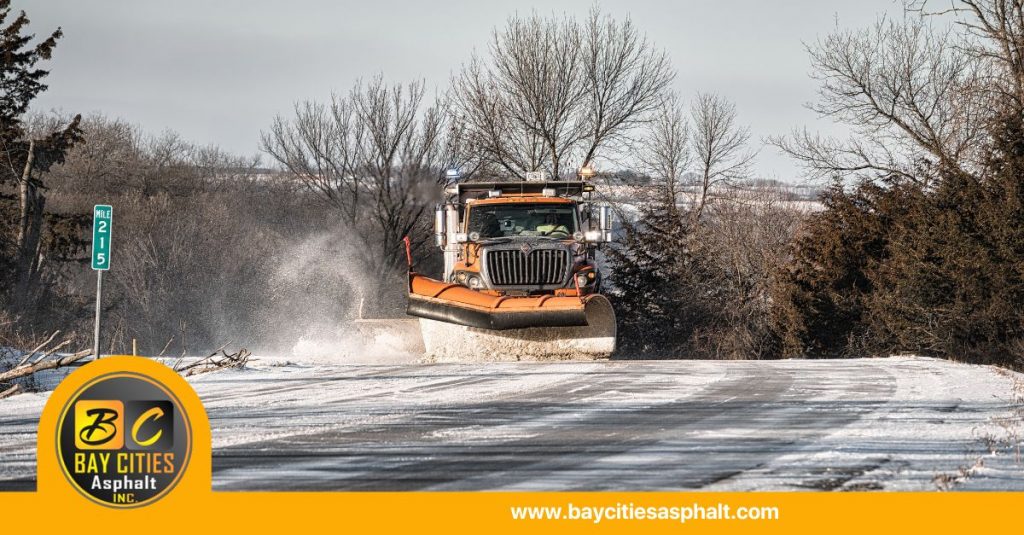
The Aftermath of Winter Weather
Even in the Bay Area, where we don’t experience the deep freezes of the Midwest, winter is tough on pavement. The primary culprit here is moisture. Winter brings rain, and water is the arch-enemy of asphalt.
When rainwater pools on your pavement or seeps into small, pre-existing fissures, it begins to erode the sub-base—the foundation that supports the asphalt. If the structural integrity of that base is compromised, the surface above will eventually sag, crack, or crumble into a pothole.
Furthermore, cooler night temperatures can cause the asphalt to contract, while warmer days cause it to expand. This constant movement puts stress on the material. By the time spring arrives, small hairline fractures from the previous year may have widened significantly. Addressing these visible signs of distress immediately prevents water from causing further damage during April showers.
The “Goldilocks” Zone for Temperature
Asphalt repair is a temperature-sensitive process. Most repairs involve “hot mix” asphalt, which is poured at high temperatures and needs to cool down to cure and harden effectively.
If you attempt repairs when it is too cold (typically below 50 degrees Fahrenheit), the hot mix cools too rapidly. This prevents the asphalt from compacting properly, leading to weak spots, unraveling, and a finished product that might fail prematurely.
Conversely, the scorching heat of mid-summer can also present challenges. Extreme heat can keep the new asphalt soft for too long, making it susceptible to scuffing or marking from tires before it has fully cured.
Early spring provides the “Goldilocks” conditions: not too cold, and not too hot. The moderate temperatures allow the asphalt to be worked easily, compacted thoroughly, and cured at an optimal rate. This ensures a durable, smooth finish that is ready to withstand the traffic of the coming months.
Beating the Summer Rush
Construction is a highly seasonal industry. As the weather warms up, asphalt contractors see a massive surge in demand. By the time summer hits, many reputable companies are booked weeks or even months in advance with large commercial projects and municipal roadwork.
Scheduling your repairs in early spring allows you to beat this rush. You will likely find that contractors have more flexibility in their schedules, allowing you to choose a time that minimizes disruption to your business or home life. Furthermore, crews are often fresh off the slower winter season and eager to get to work.
Acting early means your parking lot or driveway will be pristine and ready for use when summer activities are in full swing, rather than being closed off for repairs during your busiest time of year.
Cost-Effectiveness of Proactive Maintenance
Procrastination is expensive when it comes to pavement. What starts as a small alligator crack in March can easily turn into a dangerous pothole by August.
Small repairs, such as crack filling or patching, are relatively inexpensive. They seal the surface and stop water from penetrating to the sub-base. However, if you ignore these minor issues, the damage spreads. Once the sub-base is compromised, you move from simple repairs to needing complex solutions like full-depth removal and replacement.
Early spring assessments allow you to catch these problems while they are still minor. A little budget allocated to spring maintenance can save you thousands of dollars in major rehabilitation costs down the road.
Bay Cities Asphalt: Three Generations of Expertise
When it comes to assessing winter damage and planning your spring repairs, experience matters. You need a contractor who understands the local climate and soil conditions.
Bay Cities Asphalt, Inc. has been a staple in the Bay Area construction industry for the last two decades. As a family-owned and operated business passed down through three generations, we take immense pride in our craft. We don’t just pour asphalt; we provide comprehensive solutions including replacement, repair, overlay, and milling.
Our long-standing presence in the community is built on a foundation of trust and quality workmanship. We understand the specific challenges Bay Area properties face and use industry-leading techniques to ensure your pavement stands the test of time.
Preparing for Curb Appeal
Finally, consider the aesthetics. Spring is traditionally a time for cleaning and renewal. If you are a business owner, a fresh, black seal-coated parking lot with crisp striping sends a message of professionalism and attention to detail to your customers. If you are a homeowner, a smooth driveway significantly boosts your curb appeal.
Whether you are looking to sell your property or simply want to take pride in its appearance, fixing unsightly cracks and potholes gives your exterior an instant facelift just in time for the sunny season.
FAQs About Asphalt Repair
Can asphalt be repaired in the rain?
Generally, no. Water cools down the hot asphalt mix too quickly, which prevents it from bonding correctly to the existing surface. For the best results, repairs should be scheduled during dry weather.
What is asphalt milling?
Milling is the process of removing the top layer of a paved area without disturbing the underlying sub-base. This allows contractors to lay down a fresh layer of asphalt, restoring the surface to like-new condition without the cost of full reconstruction. It is an excellent sustainable option for resurfacing.
How soon can I drive on new asphalt?
This depends on the weather and the depth of the repair. In the moderate temperatures of spring, you can typically drive on new asphalt within 24 hours. However, your contractor will give you specific instructions based on your unique project.
Secure Your Pavement’s Future
Waiting until the damage is severe is a gamble that rarely pays off. By taking advantage of the mild spring weather, you ensure better quality repairs, easier scheduling, and significant cost savings. Don’t let the cracks from winter turn into the potholes of summer.
If you are in the Bay Area and want to ensure your pavement is handled by experts, reach out to the team that has been doing it for three generations. Contact Bay Cities Asphalt, Inc. today to schedule an assessment and get your property ready for the year ahead.