You ask three contractors for a quote on the same driveway while comparing different driveway quotes. Same square footage, same shape, same property. One quote comes back at $8,000, another at $11,000, and a third at $13,000. What gives?
It happens more often than you’d think. Two driveways can look identical on paper and still carry wildly different price tags. The reasons aren’t random, and they’re rarely about a contractor trying to overcharge you. The cost of a driveway depends on what’s happening beneath the surface, around the edges, and in the fine print of the job.
At Bay Cities Asphalt, we’ve been paving driveways since the 1990s, and we’ve seen every version of this story. Below, we’ll break down exactly why two similar driveways can cost thousands apart—so you can read a quote with confidence and know what you’re actually paying for when reviewing driveway quotes.
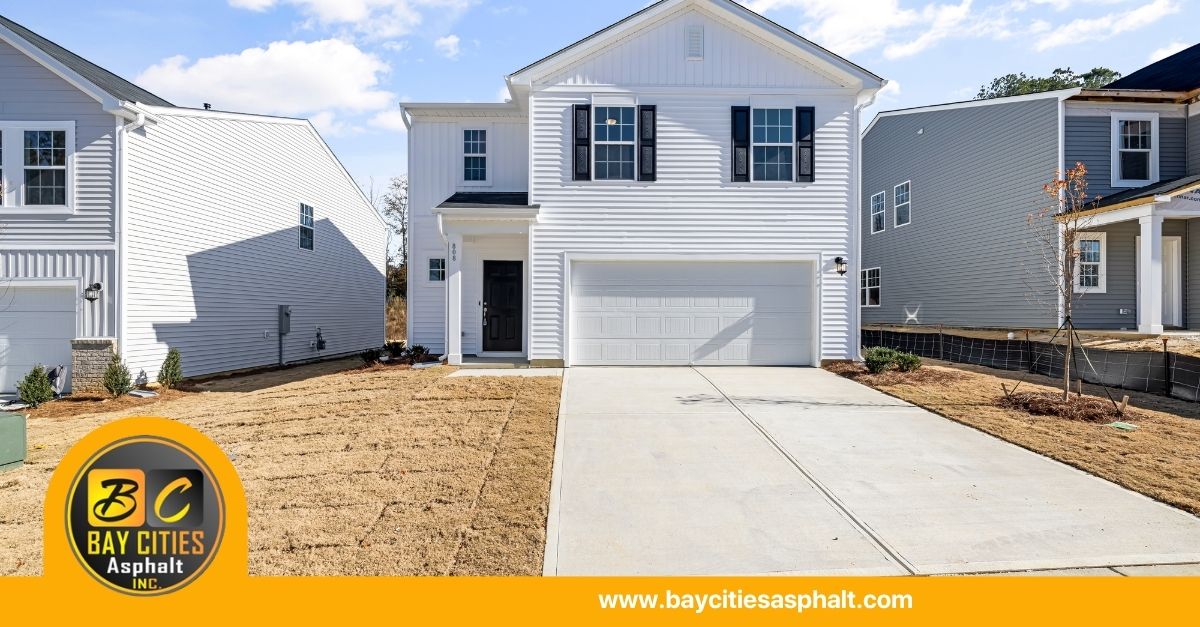
The base layer makes or breaks the price
The part of your driveway you never see is the part that matters most. Underneath the asphalt or concrete sits a base layer of compacted gravel, and the depth and quality of that base can swing your cost by thousands.
A thin, cheap base might save money today. But it also means cracks, sinking, and potholes within a few years. A proper base—often 4 to 8 inches of compacted aggregate—costs more upfront because it requires more material, more labor, and more machine time. Two driveways that look the same on top can have completely different foundations, and that difference shows up in the price.
If one quote is dramatically lower than the others, ask about the base. You may be paying less because you’re getting less.
Site preparation isn’t the same for every yard
No two pieces of land are identical. The amount of work needed to prepare your site can add or subtract thousands from the final bill.
Consider what a contractor might run into:
- Sloped or uneven ground that needs grading and leveling
- Poor drainage that requires extra work to channel water away
- Soft or clay-heavy soil that needs to be dug out and replaced with stable fill
- Tree roots, old concrete, or buried debris that must be removed first
A flat, well-draining lot is a dream to pave. A sloped lot with drainage problems is a much bigger project—even if the finished driveway is the exact same size. This is one of the most common reasons two quotes diverge.
Material choice changes everything
Asphalt and concrete are the two most popular driveway materials, and they don’t cost the same. Concrete generally runs higher upfront than asphalt, though it can last longer with proper care.
But the choice doesn’t end there. Within each material there are tiers:
- Asphalt can vary based on the mix quality and thickness of the layer poured.
- Concrete ranges from standard gray finishes to stamped, colored, or decorative options that cost significantly more.
Two homeowners might both say they want a “concrete driveway,” but if one chooses a basic finish and the other picks a stamped decorative design, the gap can easily reach several thousand dollars.
Thickness and reinforcement add up
How thick your driveway is poured—and whether it’s reinforced—directly affects both price and durability.
A driveway meant to hold a couple of family cars doesn’t need the same thickness as one that has to support an RV, work trucks, or heavy equipment. Thicker pours use more material and more labor. Add steel reinforcement like rebar or wire mesh to a concrete job, and the cost climbs again.
Sometimes a higher quote simply reflects a driveway built to handle more weight for longer. That’s not overcharging—it’s engineering for your actual needs, which is why comparing driveway quotes requires looking beyond the price alone.
Drainage and edging are easy to overlook
Water is a driveway’s worst enemy. A driveway with proper drainage built in—graded slopes, drainage channels, or a French drain—will outlast one that just dumps water wherever gravity takes it.
Edging matters too. Concrete curbing or paver borders keep the edges from crumbling over time, but they add to the cost. A cheaper quote might skip these features entirely, which saves money now but invites repairs later.
When you compare two prices, check whether both include drainage solutions and edge support. Often, the higher quote includes protections the lower one leaves out.
Access and location affect labor costs
Where your driveway sits and how easy it is to reach plays a real role in pricing.
A wide-open suburban lot with plenty of room for trucks and equipment is straightforward. A tight urban property, a long rural driveway far from the road, or a job that requires hauling materials a long distance all take more time and effort. More labor hours and more logistics mean a higher price—even for the same square footage.
Removal of the old driveway
Replacing an existing driveway costs more than paving a fresh one. Tearing out old asphalt or concrete, breaking it up, and hauling it away is real work with real disposal fees.
If one of your quotes is for new construction over bare ground and another includes demolition and removal, of course they won’t match. Always confirm whether removal is part of the price.
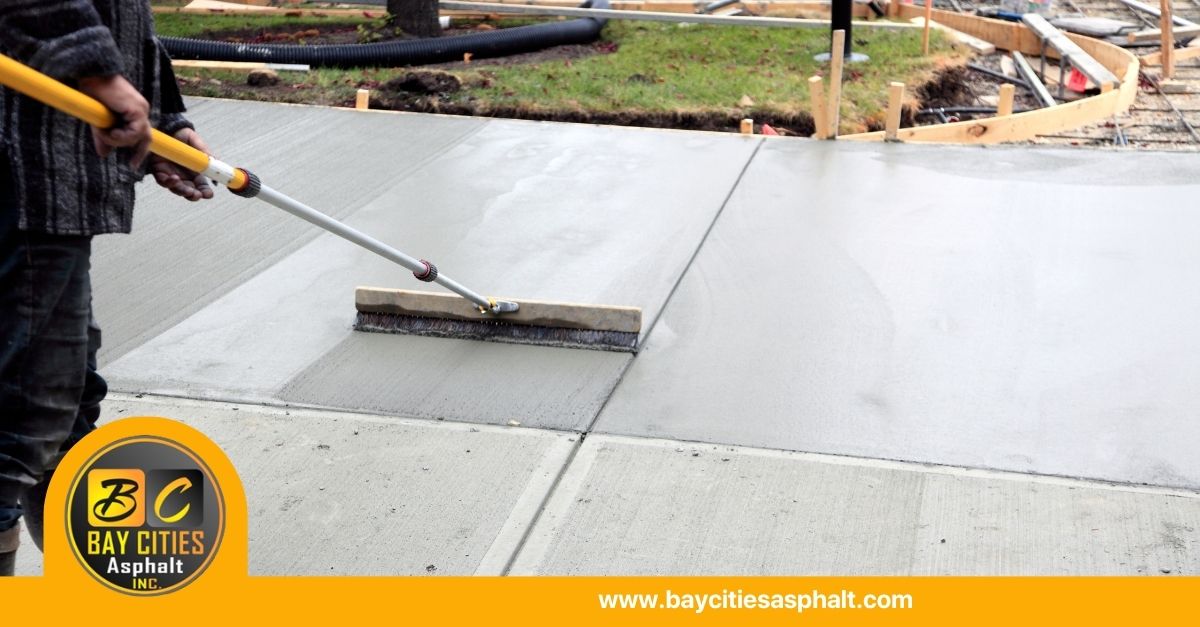
What to look for when comparing driveway quotes
The cheapest quote isn’t always the best deal, and the most expensive isn’t automatically a rip-off. To compare fairly, make sure each quote spells out:
- Base depth and material used beneath the surface
- Driveway thickness and any reinforcement
- Site prep included, like grading and soil work
- Drainage and edging features
- Whether old driveway removal is included
- Material type and finish
- Warranty terms and length
When every quote lists these details, you can compare apples to apples instead of guessing why the numbers differ.
The bottom line on driveway pricing
A driveway is a long-term investment in your property, not just a slab of pavement. The $5,000 difference between two similar driveways usually comes down to what you can’t see: a stronger base, better drainage, thicker material, proper site prep, and quality workmanship that holds up for decades.
A low price that skips these essentials often costs more in the end, when cracks and sinking force an early repair. The smartest move is to understand what’s in each quote and choose the option built to last.
At Bay Cities Asphalt, we’ve specialized in asphalt, concrete, and more since the 1990s, and we believe in honest quotes that explain exactly what you’re paying for. If you’re weighing driveway quotes and want a clear breakdown of your project, reach out for an estimate you can actually understand.