
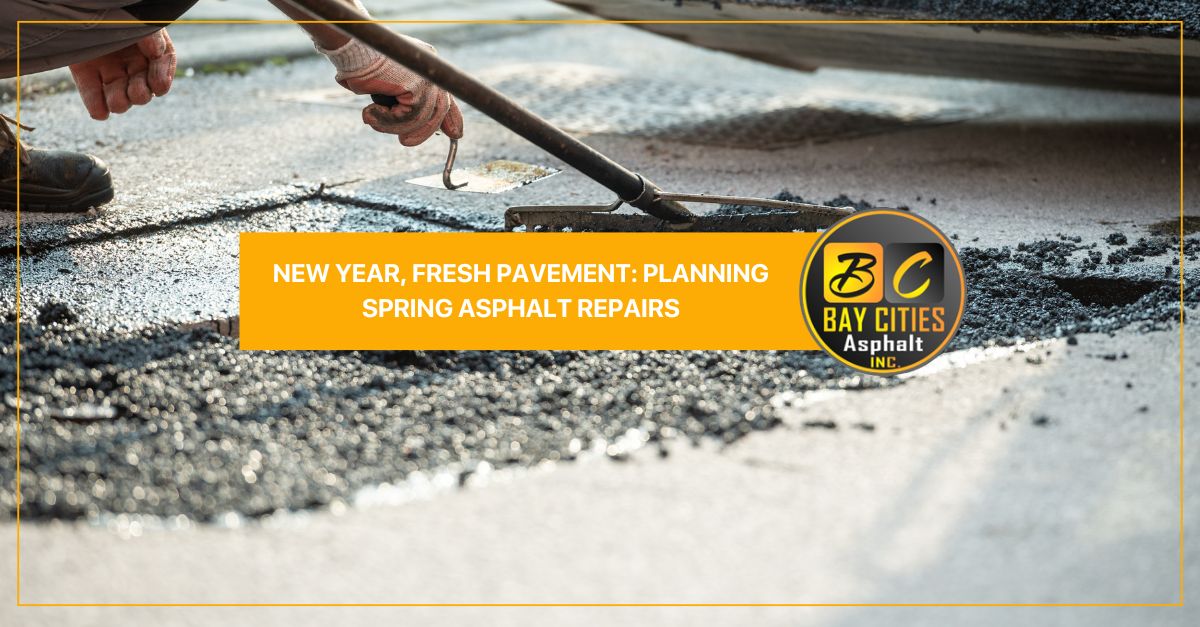
When winter finally retreats, it often leaves more than just melting snow in its wake. The freeze-thaw cycles, heavy rains, and cold temperatures of the past few months can wreak havoc on your driveway or parking lot. As you begin your spring cleaning and maintenance routines, don’t forget to look down. Spring Asphalt Repairs are essential to address cracks, potholes, and drainage issues before they worsen.
Early spring is the ideal time to assess the condition of your asphalt. By catching issues now, you can schedule repairs before the busy summer season hits, often securing better pricing and ensuring your property looks its best. Whether you manage a commercial lot or simply want your driveway to look pristine, a proactive approach to asphalt maintenance saves money and headaches in the long run.
The Post-Winter Inspection Checklist
Before calling in the professionals, take a walk around your property. Winter weather is notorious for exploiting small weaknesses in asphalt, turning minor hairline fractures into gaping problems. Performing regular Spring Asphalt Repairs at this stage can prevent minor cracks from becoming major structural issues. Here is what you should be looking for:
Cracks and Alligatoring
Inspect the surface for any new cracks. Small, singular cracks are common, but if you see a pattern that resembles the scales on an alligator’s back, you have a more serious issue. “Alligatoring” usually indicates structural failure beneath the surface, often caused by water infiltration and unstable sub-base materials.
Potholes and Depressions
Potholes are the most obvious sign of damage. They form when water seeps into cracks, freezes, expands, and then melts, leaving a void that eventually collapses under the weight of traffic. Also, look for depressions or “birdbaths”—areas where water pools and doesn’t drain. These spots can accelerate asphalt deterioration and become safety hazards.
Drainage Issues
Observe how water flows across your pavement after a rain shower. Does it flow away from structures and into drains, or does it pool in the middle of the lot? Poor drainage is the enemy of asphalt. Standing water weakens the pavement structure and can lead to rapid failure.
Surface Discoloration and Wear
Asphalt should be a rich, dark black. If your pavement has faded to a light gray, it’s a sign of oxidation. This means the binder—the “glue” that holds the aggregate rocks together—is breaking down due to UV exposure. While this is a natural aging process, it makes the surface brittle and prone to cracking.
Why Early Spring is the Best Time to Plan
You might be tempted to wait until the heat of summer to think about paving, but early planning offers distinct advantages.
Cost-Effectiveness: Contractors are often eager to fill their schedules as the season opens. By booking early, you might avoid the peak-season pricing surges that happen when demand outstrips supply in the summer.
Durability: Asphalt requires specific temperature ranges to cure properly. Spring offers moderate temperatures that are often ideal for certain types of repairs and sealcoating. Addressing damage now prevents spring rains from penetrating deeper into cracks and causing further sub-base erosion.
Curb Appeal: Fresh, dark pavement provides an immediate facelift to any property. If you are looking to sell your home or attract customers to your business, a well-maintained lot signals that you care about quality and safety.
Patching vs. Resurfacing: When to Call a Pro
Not all damage requires a complete overhaul. Sometimes a simple patch job will suffice. However, there comes a point where patching is just throwing good money after bad. Here is how to tell if you need professional resurfacing:
Wide Cracks: If cracks are wider than a quarter-inch or are deep enough to see the sub-base, simple crack filler won’t hold. These require professional sealing or repair.
Extensive Damage: If more than 25-30% of your pavement surface is showing signs of failure (like alligator cracking), resurfacing—also known as an overlay—is often a more economical long-term solution than cutting out and patching dozens of individual spots.
Drainage Problems: You cannot fix drainage issues with a simple patch. If water isn’t moving correctly, the grade of the pavement likely needs to be adjusted, which requires professional resurfacing or reconstruction.
Age of the Pavement: If your asphalt is over 15-20 years old and hasn’t been maintained, it may be reaching the end of its useful life. An overlay can extend that life significantly, provided the sub-base is still sound.
Budgeting for Long-Term Maintenance
Pavement maintenance should never be a surprise expense. It should be a line item in your annual property maintenance budget.
Think of your asphalt like the roof on your house. You wouldn’t wait until the roof collapses to fix a leak. Regular maintenance, such as sealcoating every 3-5 years and crack filling annually, costs pennies per square foot compared to the dollars per square foot required for full replacement.
Start by setting aside a small fund each year for pavement care. When you spot issues during your spring inspection, you’ll have the resources ready to address them immediately. A well-maintained asphalt surface can last 20 to 30 years, providing an excellent return on investment.
Ready to Restore Your Pavement?
Neglecting your asphalt after a harsh winter is a recipe for expensive repairs down the road. By inspecting your property now and planning for necessary Spring Asphalt Repairs, you ensure safety, improve aesthetics, and extend the life of your investment.
If your post-winter inspection reveals troubling cracks, potholes, or drainage issues, don’t wait for them to get worse. Professional assessment is key to determining whether a simple repair or a full resurfacing is the right path forward.
Bay Cities Asphalt is proud to serve homeowners and businesses across Solano County, Contra Costa County, Sonoma County, Santa Clara, and surrounding areas. Let us help you get your pavement ready for the year ahead.